
20 min read
The Five Generations of Computers
Vacuum tubes, transistors, integrated circuits, microprocessors and AI — how each generation changed computers.
What Is a Generation?
Computer history is often split into generations. Each generation starts when a new technology changes how computers are built. Each change made computers smaller, faster, cheaper, more reliable and easier to use.
The dates are approximate — different books give slightly different years. What matters is the technology and its effect.
First Generation — Vacuum Tubes (about 1940–1956)
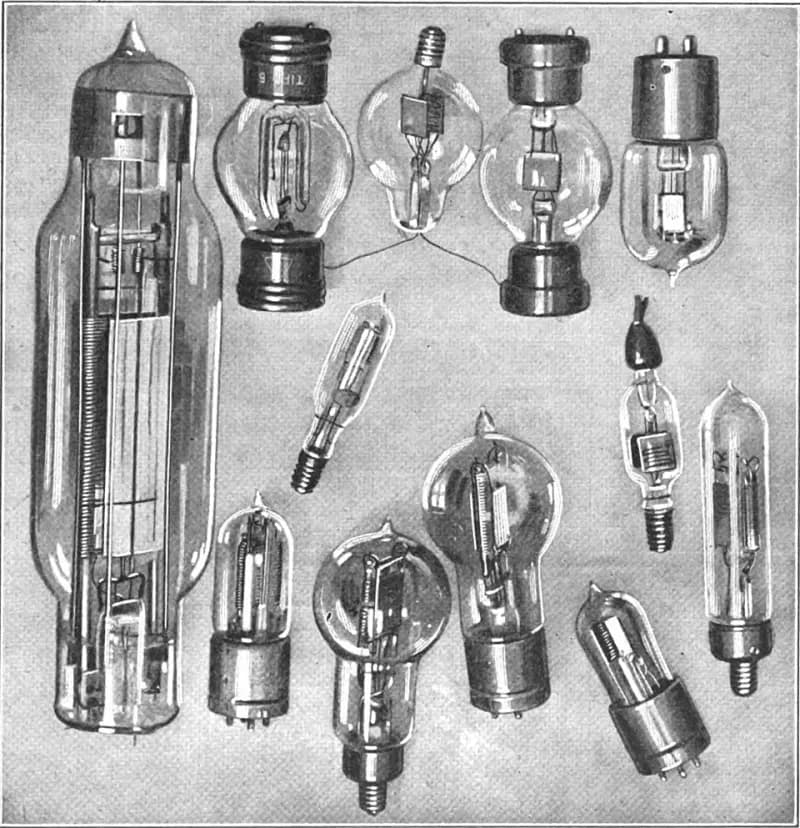
First-generation computers used thousands of vacuum tubes as switches. They were huge (a whole room), used a lot of electricity, produced great heat, and a tube failed often. They were programmed in machine language — raw binary codes — and input came from punched cards or paper tape.
Examples: ENIAC, UNIVAC I, Colossus.
Second Generation — Transistors (about 1956–1963)
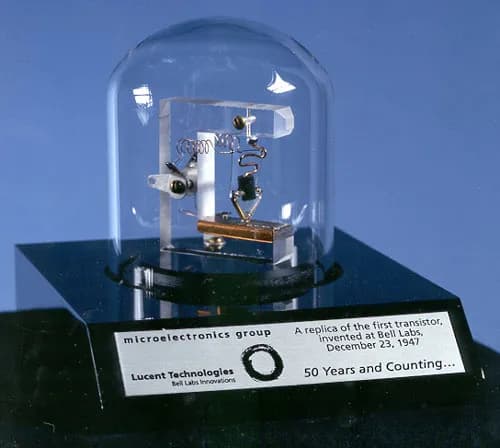
The transistor was invented at Bell Labs in 1947. Transistors were much smaller, used less power, produced less heat and were far more reliable than tubes.
Programmers began to use assembly language and early high-level languages such as FORTRAN and COBOL. Magnetic core memory and magnetic tape and disks were used for storage.
Examples: IBM 1401, IBM 7090.
Third Generation — Integrated Circuits (about 1964–1971)
Putting many transistors on one chip made computers smaller and cheaper again. Users now worked with keyboards and monitors instead of punched cards, and operating systems let one computer run several programs.
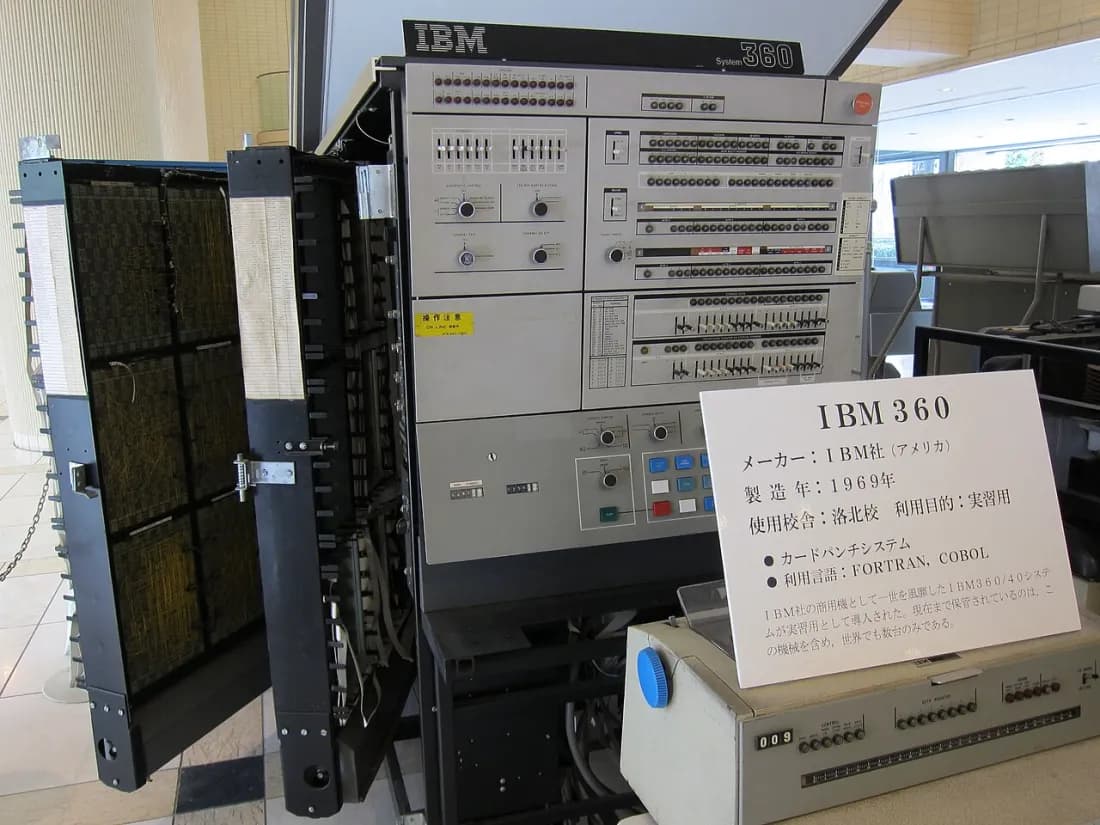
Example: the IBM System/360 family (1964) — one design sold in many sizes, all able to run the same software.
Fourth Generation — Microprocessors (1971 to today)
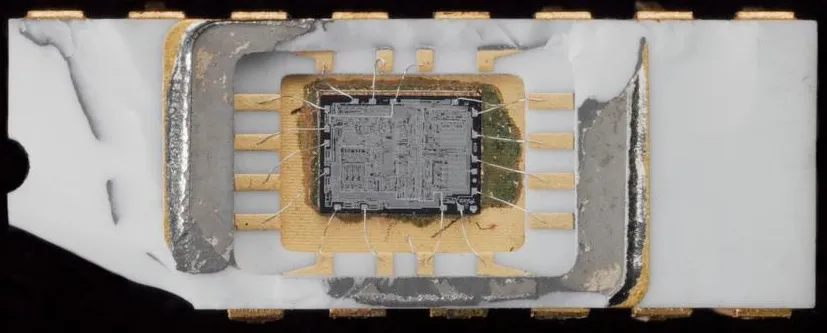
Very large-scale integration (VLSI) put thousands, then millions, then billions of transistors on one chip. The whole CPU fitted on one microprocessor, which made the personal computer possible — then laptops, smartphones and tablets.
This generation also brought graphical user interfaces (windows, icons, a mouse), networks and the internet.
Examples: the IBM PC, Apple Macintosh, modern desktops, laptops and phones.
Fifth Generation — Artificial Intelligence (today and beyond)
The fifth generation is described by what computers do rather than one new part. Its aims include artificial intelligence (AI): computers that understand speech and language, recognise images and learn from data. It relies on parallel processing (many processors working together), very large memories and fast networks.
Examples: voice assistants, translation apps, AI chatbots, self-driving car research and quantum computing experiments.
The Generations Side by Side
| Computer generations compared | |||
|---|---|---|---|
Practice
More lessons in Introduction to Computer Systems · Next: Types of Computers · Previous: A Short History of Computing