
20 min read
Types of Computers
Classifying computers by size and power, by the kind of data they handle, and by purpose.
Three Ways to Classify Computers
Computers can be grouped in different ways. The three you need are:
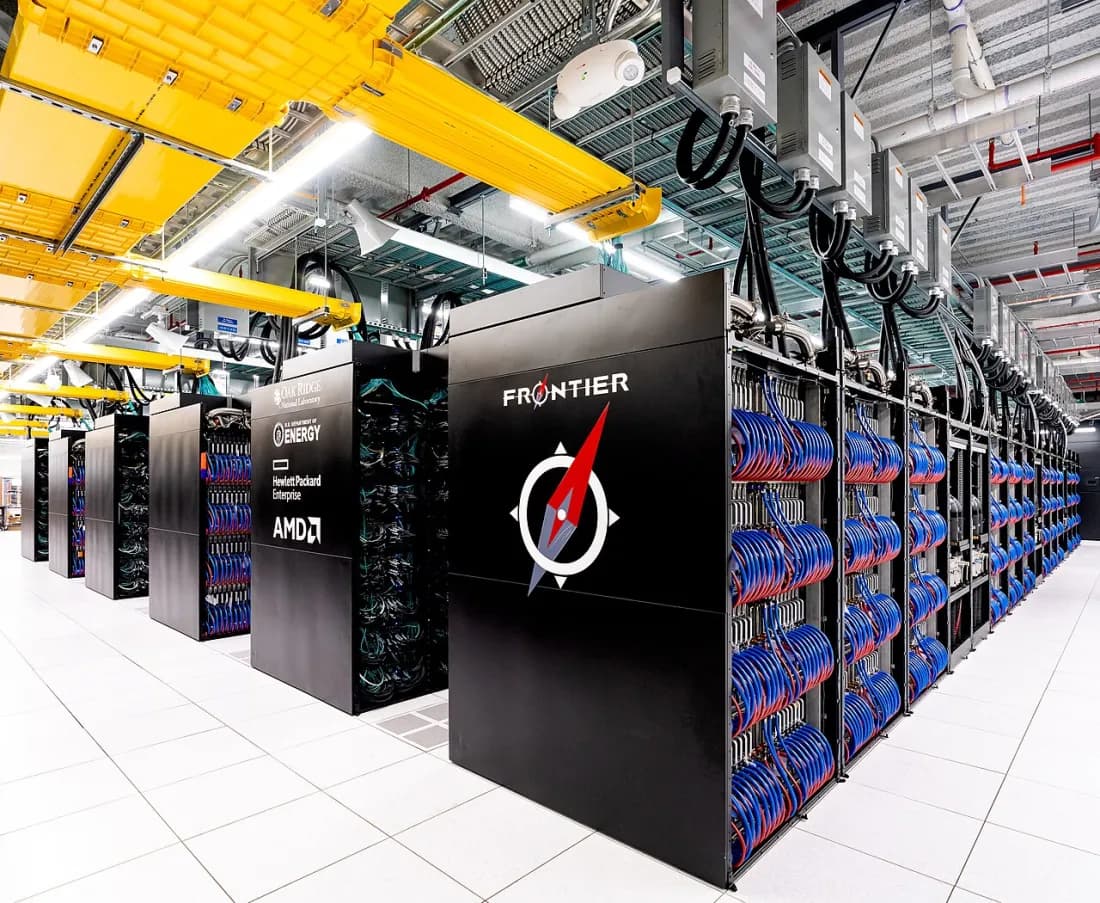
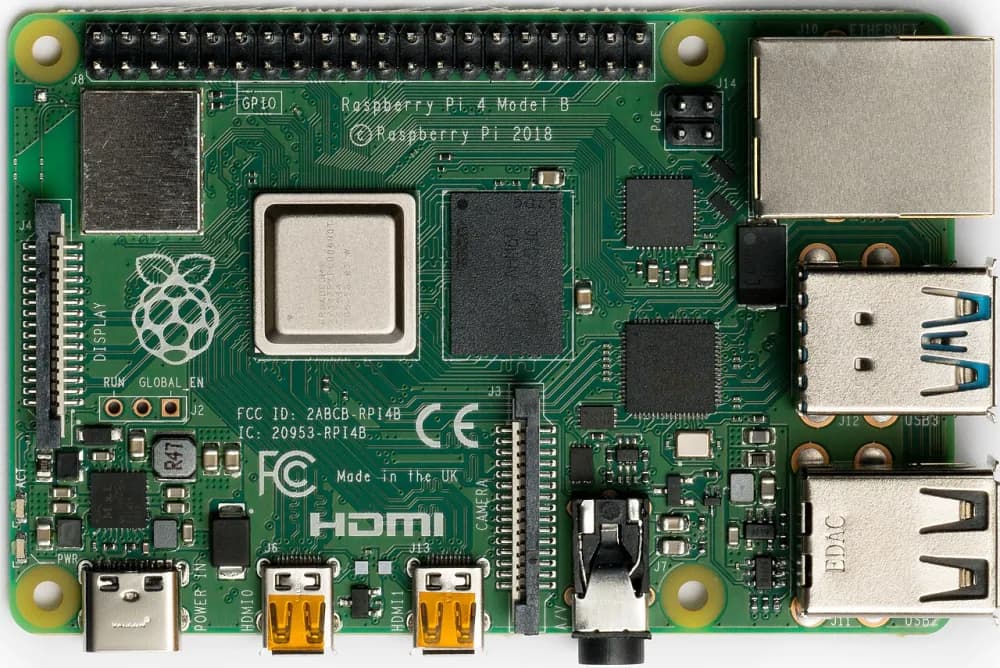
- By size and processing power — from supercomputers to embedded chips.
- By type of data — analogue, digital or hybrid.
- By purpose — general-purpose or special-purpose.
By Size and Power
| Computers by size and power | ||
|---|---|---|
By Type of Data
Analogue vs digital
| Analogue computer | Digital computer |
|---|---|
| Works with continuous values that change smoothly (voltage, pressure, temperature) | Works with discrete values — separate steps, stored as binary 0s and 1s |
| Measures | Counts |
| Example: an old car speedometer needle, a mercury thermometer | Example: a PC, a phone, a digital watch |
A hybrid computer combines both. It measures analogue signals and processes them digitally. A hospital ECG machine measures the continuous electrical signal of the heart, then turns it into digital data to display and store. A modern petrol pump measures fuel flow and shows a digital price.
By Purpose
- A general-purpose computer can do many different jobs by running different programs: a laptop can write an essay, play music and edit a photo.
- A special-purpose computer is built for one job: a traffic-light controller, a calculator, a washing machine controller, a games console.
Practice
Select every device that contains an embedded computer.
Choose all that apply.
More lessons in Introduction to Computer Systems · Next: Course Exam · Previous: The Five Generations of Computers