
20 min read
Server Hardware
Rack and tower servers, redundancy, ECC memory, RAID, UPS, cooling and security — what makes a server different.
What Makes a Server Different?
A server provides a service — files, email, a database, a website — to other computers, often 24 hours a day. If it stops, everyone stops. So server hardware is built for reliability and availability, not looks.
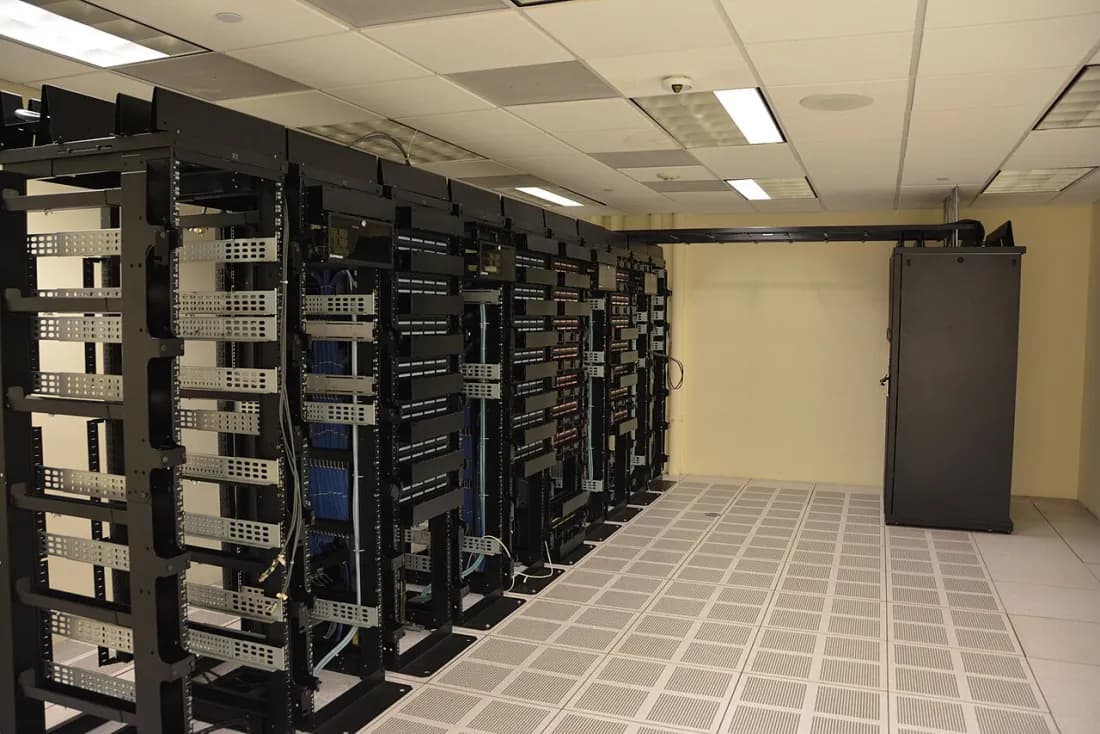
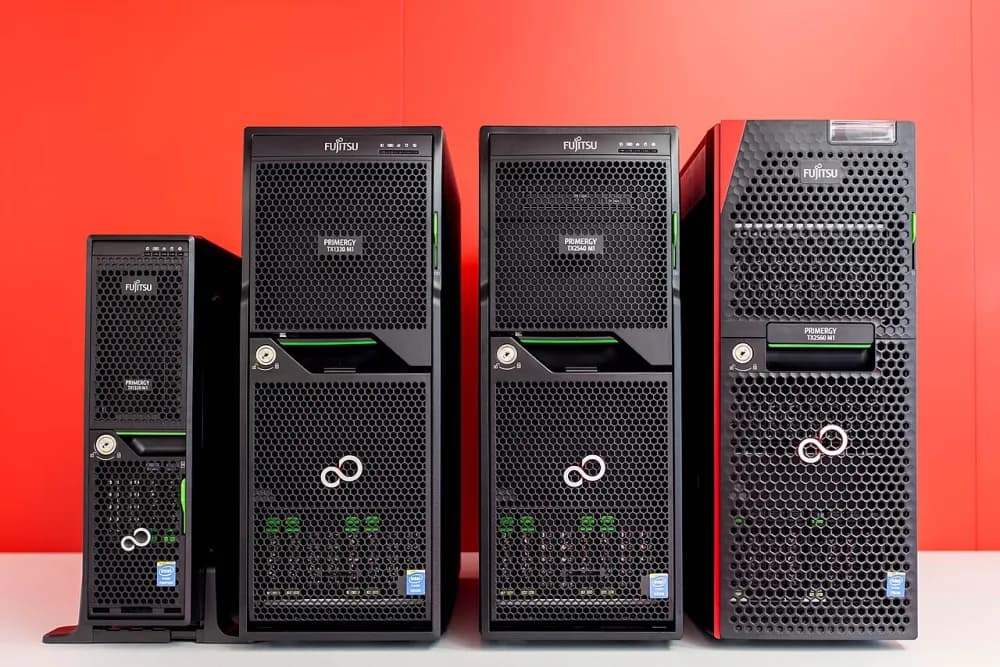
Rack or Tower?
Rack vs tower servers
| Rack server | Tower server |
|---|---|
| Flat box that slides into a standard 19-inch rack | Looks like a large desktop PC |
| Height measured in rack units — 1U = 44.45 mm | Stands on the floor or under a desk |
| Many servers fit in a small space; needs a rack and a cool, secured room | No rack needed; quieter; easy to set up |
| Data centres and larger organisations | Small offices and shops with one or two servers |
Redundancy: No Single Point of Failure
| Server features that improve reliability | |
|---|---|
Uninterruptible Power Supply (UPS)
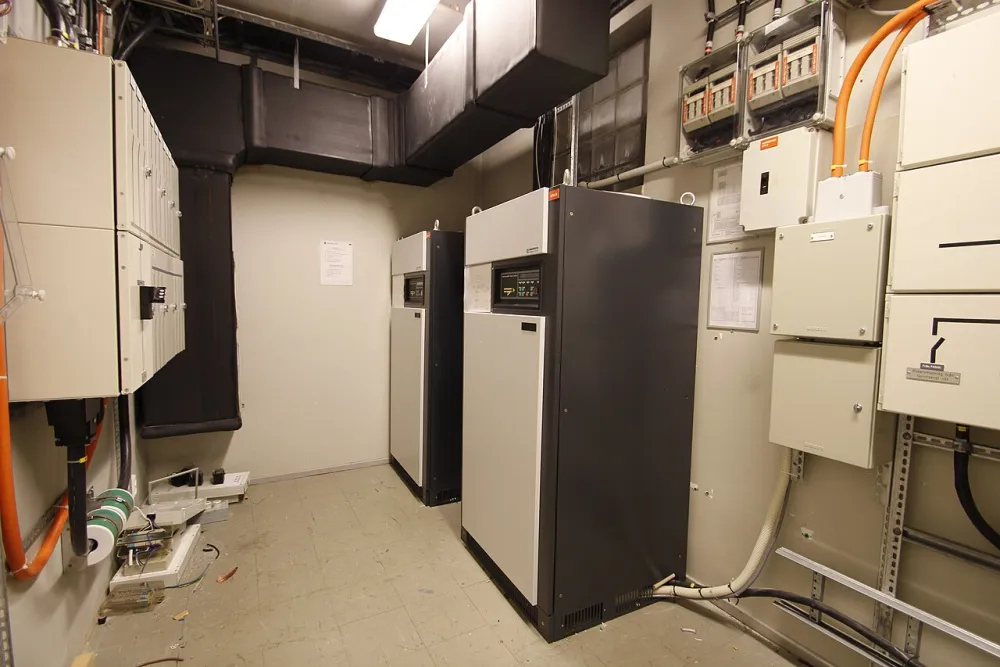
A UPS gives time: to keep working through a short cut, to switch to a generator, or to shut the server down safely so no data is corrupted. Many UPS units connect by USB so the server shuts itself down automatically when the battery is low. A UPS also protects against surges and voltage dips.
Environment and Security
- Cooling: servers run all day and produce heat. Keep them in a cool, air-conditioned, dust-free space.
- Physical security: lock the room or rack. Anyone who can touch the server can steal the disks.
- Monitoring: alerts by email or SMS when a disk fails or the temperature rises.
Practice
Choose all that apply.
More lessons in Computer Hardware and Peripherals · Next: Choosing and Justifying a Configuration · Previous: Ports and Connectors